Yep, we may get a tiny thank-you (read: commission) when you buy through
links on Soundfindr — not enough for a yacht, but enough to keep the lights (and
servers) on.
Learn more
52
Highlights
42
Differences
5
Reactions
0
Likes
Rode NT1-A
vs
MXL 990:
52 Highlights & 42 Differences —
So, Which Microphone Actually Works Better
Find out which mic saves setup time and adds value with included gear.
Not sure which microphone to add to your setup? This microphones comparison puts Rode NT1-A vs MXL 990 side by side — from power source, onboard controls, body material & warranty to what players love.
Rode NT1-A vs MXL 990: An In-Depth Mic Comparison for Studio Enthusiasts
When choosing a large diaphragm condenser microphone for recording vocals, instruments, or podcasting, both the Rode NT1-A and the MXL 990 are popular contenders in the pro-audio realm. Sharing several core features such as a cardioid polar pattern for focused audio capture, XLR connectivity with 48V phantom power requirement, and sturdy metal chassis construction, these mics cater primarily to adult professional users aiming for quality studio or streaming setups. However, despite their shared design principles, they differ notably in dimensions, audio performance, included accessories, and pricing, making the choice dependent on your recording needs and budget considerations.
Why the Rode NT1-A Stands Out in Professional Circles
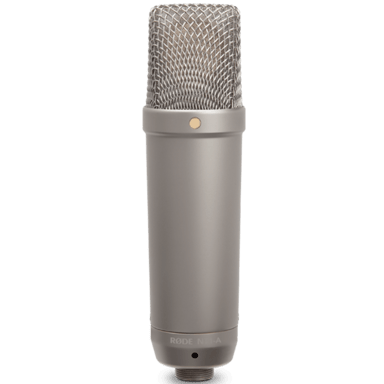
The Rode NT1-A claims its place as a studio staple thanks to its exceptional audio fidelity and thoughtful build. Measuring a tall 7.48 inches with a slim 1.97-inch diameter and weighing just 0.67 pounds, this microphone offers a sleek, lightweight profile that is easy to position on stands or booms. Its frequency response, ranging from 20 Hz to 20 kHz, ensures a full spectrum capture from deep lows to crisp highs, while the impressive five dBA self-noise status means recordings stay remarkably noise-free; far quieter than the MXL 990's 20 dBA noise floor.
Build-wise, the NT1-A is thoughtfully outfitted with an internal shockmount that drastically reduces mechanical vibrations, paired with an included pop filter for clean vocal recordings, an accessory bundle not matched by the MXL. Its robust RF shielding helps keep radio frequency noise at bay, ensuring pristine audio capture.
Professionals will also appreciate the NT1-A's 10-year warranty and premium packaging, underscoring Rode's confidence in longevity and quality. It supports indirect compatibility with smart assistants like Alexa, Siri, and Google Assistant; an extra edge for multi-use setups.
The MXL 990: An Affordable, Practical Choice for Beginners and Hobbyists
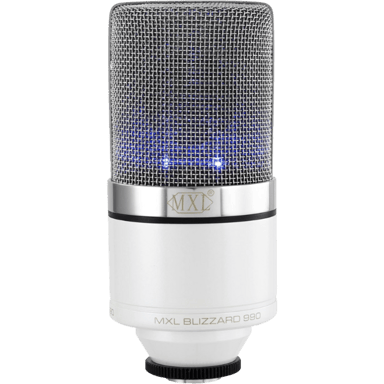
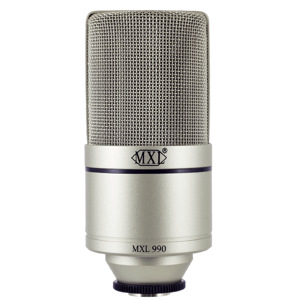
The MXL 990 might lack some of the refinement of the Rode NT1-A, but it serves as a solid starter mic in home studios or podcasting rigs, thanks to its wallet-friendly price point, hovering around $60-$90. Smaller at 5.11 inches tall and heftier at 1.2 pounds, this microphone sports a wider 2.36-inch grill diameter with a slightly smaller 0.78-inch capsule.
Design elements such as a detachable mount and swivel/pivot capability allow for flexible positioning, and a foam-dampened grill helps reduce internal noise. Still, there's no internal shockmount or included pop filter.
Connectivity-wise, a detachable XLR cable adds convenience for storage and replacement. The standard 48V phantom power powers the MXL 990 and draws a modest 0.14 W, though specifics on shielding against RF interference are not highlighted.
With a simpler package including a carrying case, protective foam insert, and instructional manual, but lacking cables or fancy accessories, it suits users who want a functional condenser without frills or a major commitment. Backed by only a 1-year warranty, it's ideal for budget-savvy creatives stepping into mic ownership.
Quick Take
The Rode NT1-A shines with its ultra-low noise floor, broad frequency reach, and bundled professional accessories, making it a dream mic for polished studio recordings. Meanwhile, the MXL 990 offers a no-nonsense, affordable entry to condenser mics with decent build quality and some practical mounting flexibility.
Bottom Line
If you're after supreme sound clarity with minimal background noise, greater dynamic range, and a robust warranty, the Rode NT1-A is the clear pick. It delivers outstanding studio-grade performance with a comprehensive bundle for the dedicated user. Conversely, the MXL 990 targets newcomers or those on a budget who still want a cardioid condenser mic capable of basic studio and instrument recording but can accept reduced sensitivity and higher noise levels.
Verdict
Winner: Rode NT1-A - Offers superior audio quality, ultra-low noise, a comprehensive accessory package, and a long 10-year warranty that suits professional and serious home studios alike.
Runner-up: MXL 990 - A cost-effective, practical condenser mic for beginners or hobbyists, providing essential studio functionality with decent build quality but limited extras and lower fidelity.
The Year of Release for Rode NT1-A is 2005, while the MXL 990 does not provide this information. This makes Rode NT1-A more transparent regarding its release timeline.
Indicates when the microphone was launched.
In the battle of Year of Release,
Rode NT1-A ◉ is
better than
MXL 990 ◉
, delivering
higher
16 score
measurement.
Don’t keep it to yourself — be the first to react and review the
Year of Release on Rode NT1-A ◉
vs MXL 990 ◉ and help others decide!
77
Rode NT1-A
0Votes
North America, Europe, Asia, Global
65
MXL 990
0Votes
Global
vs
Launch Region
Rode NT1-A is launched in North America, Europe, Asia, and globally, while MXL 990 doesn't specify launch regions. NT1-A is thus more globally positioned explicitly.
Where the product is primarily available.
In the battle of Launch Region,
Rode NT1-A ◉ is
better than
MXL 990 ◉
, delivering
higher
12 score
measurement.
Don’t keep it to yourself — be the first to react and review the
Launch Region on Rode NT1-A ◉
vs MXL 990 ◉ and help others decide!
Who knows?
0Votes
Rode NT1-A
(Help us out by suggesting one!)
Who knows?
0Votes
MXL 990
(Help us out by suggesting one!)
Identifies the product line or collection the microphone belongs to.
Don’t keep it to yourself — be the first to react and review the
Series/Line on Rode NT1-A ◉
vs MXL 990 ◉ and help others decide!
Product Type
What is the product type?
66
Rode NT1-A
0Votes
Condenser
45
MXL 990
0Votes
Condenser
Rode NT1-A
A condenser microphone is ideal for capturing detailed, high-quality audio,making it perfect for studio use.
MXL 990
This product is a Condenser microphone, distinguished by its high sensitivity and wide frequency response, making it suitable for capturing nuances in sound.
Defines the basic category of the microphone.
In the battle of Product Type,
Rode NT1-A ◉ is
better than
MXL 990 ◉
, delivering
higher
21 score
measurement.
Don’t keep it to yourself — be the first to react and review the
Product Type on Rode NT1-A ◉
vs MXL 990 ◉ and help others decide!
Versatile for a wide range of applications, from studio recording to live performances and content creation.
MXL 990
This microphone is primarily intended for Studio use, Voice Recording, and Instrument miking, highlighting its versatility in recording environments.
Describes the primary application area.
In the battle of Intended Use,
Rode NT1-A ◉ is
better than
MXL 990 ◉
, delivering
higher
10 score
measurement.
Don’t keep it to yourself — be the first to react and review the
Intended Use on Rode NT1-A ◉
vs MXL 990 ◉ and help others decide!
Compatibility
Which devices or platforms are compatible?
64
Rode NT1-A
0Votes
PC, Mac, iOS, Android, Mixer, Camera
35
MXL 990
0Votes
Mixer, Audio Interface
vs
Compatibility
Rode NT1-A supports compatibility with PC, Mac, iOS, Android, Mixer, and Camera, but MXL 990 does not provide compatibility details. This makes Rode NT1-A more versatile in device support.
Lists supported platforms and devices.
In the battle of Compatibility,
Rode NT1-A ◉ is
better than
MXL 990 ◉
, delivering
higher
29 score
measurement.
Don’t keep it to yourself — be the first to react and review the
Compatibility on Rode NT1-A ◉
vs MXL 990 ◉ and help others decide!
Polar Pattern Type
What is the polar pattern type?
56
Rode NT1-A
0Votes
Cardioid
65
MXL 990
0Votes
Cardioid
vs
Polar Pattern Type
Rode NT1-A uses a Cardioid polar pattern type, and MXL 990 does not specify its polar pattern. This information helps evaluate microphone directional characteristics for NT1-A.
Identifies the default pickup pattern.
In the battle of Polar Pattern Type,
Rode NT1-A ◉ is
worse than
MXL 990 ◉
, delivering
lower
9 score
measurement.
Don’t keep it to yourself — be the first to react and review the
Polar Pattern Type on Rode NT1-A ◉
vs MXL 990 ◉ and help others decide!
Mounting Type
What is the mounting type?
51
Rode NT1-A
0Votes
Stand, Boom Arm
58
MXL 990
0Votes
Shock Mount, Stand, Boom Arm
Rode NT1-A
Best mounted on a stand or boom arm for optimal positioning and sound isolation.
MXL 990
It supports multiple mounting types, including a Shock Mount, Stand, and Boom Arm, providing flexible placement options for studio or live applications.
The typical mounting or support style.
In the battle of Mounting Type,
Rode NT1-A ◉ is
worse than
MXL 990 ◉
, delivering
lower
7 score
measurement.
Don’t keep it to yourself — be the first to react and review the
Mounting Type on Rode NT1-A ◉
vs MXL 990 ◉ and help others decide!
Age Group
What is the age group?
61
Rode NT1-A
0Votes
Adult, Professional
75
MXL 990
0Votes
Adult, Professional
vs
Age Group
Rode NT1-A is aimed at Adult and Professional age groups, whereas MXL 990 does not list its target age groups. This gives NT1-A clearer user targeting.
The intended user age bracket.
In the battle of Age Group,
Rode NT1-A ◉ is
worse than
MXL 990 ◉
, delivering
lower
14 score
measurement.
Don’t keep it to yourself — be the first to react and review the
Age Group on Rode NT1-A ◉
vs MXL 990 ◉ and help others decide!
User Skill Level
What is the user skill level?
96
Rode NT1-A
0Votes
Professional
70
MXL 990
0Votes
Intermediate, Professional
Rode NT1-A
The NT1-A is designed for users with a higher level of experience, making it a top choice for professional audio engineers.
MXL 990
Designed for Intermediate, Professional users, this microphone offers features and performance suitable for more advanced audio production.
Recommended audience expertise level.
In the battle of User Skill Level,
Rode NT1-A ◉ is
better than
MXL 990 ◉
, delivering
higher
26 score
measurement.
Don’t keep it to yourself — be the first to react and review the
User Skill Level on Rode NT1-A ◉
vs MXL 990 ◉ and help others decide!
Model Name
What is the model name?
50
Rode NT1-A
0Votes
NT1-A
52
MXL 990
0Votes
MXL 990
MXL 990
The model name of this microphone is MXL 990.
The specific product identifier from the manufacturer.
In the battle of Model Name,
Rode NT1-A ◉ is
worse than
MXL 990 ◉
, delivering
lower
2 score
measurement.
Don’t keep it to yourself — be the first to react and review the
Model Name on Rode NT1-A ◉
vs MXL 990 ◉ and help others decide!
Country of Origin
What is the country of origin?
66
Rode NT1-A
0Votes
Australia
90
MXL 990
0Votes
United States
vs
Country of Origin
Rode NT1-A is made in the United States, whereas the MXL 990 does not specify its Country of Origin. Thus, Rode NT1-A offers clearer provenance information.
Manufacturing or design origin.
In the battle of Country of Origin,
Rode NT1-A ◉ is
worse than
MXL 990 ◉
, delivering
lower
24 score
measurement.
Don’t keep it to yourself — be the first to react and review the
Country of Origin on Rode NT1-A ◉
vs MXL 990 ◉ and help others decide!
Form Factor
What is the form factor?
46
Rode NT1-A
0Votes
Handheld
45
MXL 990
0Votes
Side-Address
vs
Form Factor
Rode NT1-A has a Side-Address form factor, while MXL 990 does not specify its form factor. This details the NT1-A's design orientation more clearly.
Describes the physical style of the microphone.
In the battle of Form Factor,
Rode NT1-A ◉ is
better than
MXL 990 ◉
, delivering
higher
1 score
measurement.
Don’t keep it to yourself — be the first to react and review the
Form Factor on Rode NT1-A ◉
vs MXL 990 ◉ and help others decide!
Connectivity Type
What is the connectivity type?
56
Rode NT1-A
0Votes
XLR
35
MXL 990
0Votes
Wired, XLR
vs
Connectivity Type
Rode NT1-A connectivity type includes Wired and XLR, matching the explicit Wired, XLR listing for MXL 990, indicating both share similar connectivity.
Defines how the microphone connects to devices.
In the battle of Connectivity Type,
Rode NT1-A ◉ is
better than
MXL 990 ◉
, delivering
higher
21 score
measurement.
Don’t keep it to yourself — be the first to react and review the
Connectivity Type on Rode NT1-A ◉
vs MXL 990 ◉ and help others decide!
Color Options
What are the color options?
81
Rode NT1-A
0Votes
Silver
59
MXL 990
0Votes
Champagne, White
Rode NT1-A
The NT1-A comes in a sleek silver finish, giving it a professional and clean look for any setup.
Available product colors.
In the battle of Color Options,
Rode NT1-A ◉ is
better than
MXL 990 ◉
, delivering
higher
22 score
measurement.
Don’t keep it to yourself — be the first to react and review the
Color Options on Rode NT1-A ◉
vs MXL 990 ◉ and help others decide!
That number is extremely low compared to most condensers (which are often 12–20 dB-A). It means the mic adds almost no audible hiss, even when recording very quiet sources like classical instruments, foley, or ASMR.
The self-noise generated by the microphone.
In the battle of Equivalent Noise Level,
Rode NT1-A ◉ is
better than
MXL 990 ◉
, delivering
lower
15.0 dB
measurement.
Based on community votes for Equivalent Noise Level,
Rode NT1-A ◉ earned
1 votes,
more than
MXL 990 ◉,
which got 0 votes.
Who knows?
0Votes
Rode NT1-A
(Help us out by suggesting one!)
Who knows?
0Votes
MXL 990
(Help us out by suggesting one!)
The accuracy of selectable polar patterns.
Don’t keep it to yourself — be the first to react and review the
Polar Pattern Switching Precision on Rode NT1-A ◉
vs MXL 990 ◉ and help others decide!
Stereo/Mono Mode
What mode is supported?
16
Rode NT1-A
0Votes
Mono
5
MXL 990
0Votes
Mono
Rode NT1-A
The NT1-A is a mono microphone, capturing sound from one direction only for precise recordings.
MXL 990
This microphone operates in Mono mode, capturing a single audio channel, which is typical for individual vocal or instrument recordings.
Determines recording mode.
In the battle of Stereo/Mono Mode,
Rode NT1-A ◉ is
better than
MXL 990 ◉
, delivering
higher
11 score
measurement.
Don’t keep it to yourself — be the first to react and review the
Stereo/Mono Mode on Rode NT1-A ◉
vs MXL 990 ◉ and help others decide!
Acoustic Principle
What is the acoustic principle?
66
Rode NT1-A
0Votes
Pressure Gradient
65
MXL 990
0Votes
Pressure Gradient
Rode NT1-A
The pressure gradient design helps the NT1-A capture high detail from the front while minimizing side and rear sounds.
MXL 990
Operating on the Pressure Gradient acoustic principle, this microphone is sensitive to changes in sound pressure, which is characteristic of condenser microphones.
The underlying sound capture mechanism.
In the battle of Acoustic Principle,
Rode NT1-A ◉ is
better than
MXL 990 ◉
, delivering
higher
1 score
measurement.
Don’t keep it to yourself — be the first to react and review the
Acoustic Principle on Rode NT1-A ◉
vs MXL 990 ◉ and help others decide!
Transformer/Transformerless Design
What design does it use?
76
Rode NT1-A
0Votes
Transformerless
95
MXL 990
0Votes
Transformerless
Rode NT1-A
The transformerless design reduces distortion and preserves the natural sound of recordings.
MXL 990
The microphone features a Transformerless design, which typically results in a flatter frequency response and lower noise floor compared to transformer-coupled designs.
The electrical coupling approach used.
In the battle of Transformer/Transformerless Design,
Rode NT1-A ◉ is
worse than
MXL 990 ◉
, delivering
lower
19 score
measurement.
Don’t keep it to yourself — be the first to react and review the
Transformer/Transformerless Design on Rode NT1-A ◉
vs MXL 990 ◉ and help others decide!
Frequency Response (Min)
What is the minimum frequency response?
20
Hz
0Votes
30
Hz
0Votes
vs
Frequency Response (Min)
Rode NT1-A has a minimum frequency response of 20 Hz, and MXL 990 does not specify minimum frequency response. NT1-A provides more detailed audio performance specs.
The lowest frequency the mic can capture.
In the battle of Frequency Response (Min),
Rode NT1-A ◉ is
better than
MXL 990 ◉
, delivering
lower
10.0 Hz
measurement.
Don’t keep it to yourself — be the first to react and review the
Frequency Response (Min) on Rode NT1-A ◉
vs MXL 990 ◉ and help others decide!
Frequency Response (Max)
What is the maximum frequency response?
20,000
Hz
0Votes
20,000
Hz
0Votes
Rode NT1-A
With a high-end frequency response up to 20 kHz, the NT1-A captures the full range of human hearing.
The highest frequency the mic can capture.
In the battle of Frequency Response (Max),
Rode NT1-A ◉ is
same as
MXL 990 ◉
, delivering
equal
20,000.00 Hz
measurement.
Don’t keep it to yourself — be the first to react and review the
Frequency Response (Max) on Rode NT1-A ◉
vs MXL 990 ◉ and help others decide!
Sensitivity
What is the sensitivity?
-32
dBV/Pa
0Votes
-36.5
dBV/Pa
0Votes
Rode NT1-A
At -32 dBV/Pa, the NT1-A is highly sensitive, capable of capturing even the most subtle sounds.
Output level relative to sound pressure.
In the battle of Sensitivity,
Rode NT1-A ◉ is
better than
MXL 990 ◉
, delivering
higher
4.5 dBV/Pa
measurement.
Don’t keep it to yourself — be the first to react and review the
Sensitivity on Rode NT1-A ◉
vs MXL 990 ◉ and help others decide!
Signal-to-Noise Ratio
What is the SNR?
Who knows?
0Votes
Rode NT1-A
(Help us out by suggesting one!)
80
dB
0Votes
MXL 990
A signal-to-noise ratio of 80 dB indicates a clear audio signal with minimal background hiss, resulting in professional-quality recordings.
The clarity ratio between signal and background noise.
Don’t keep it to yourself — be the first to react and review the
Signal-to-Noise Ratio on Rode NT1-A ◉
vs MXL 990 ◉ and help others decide!
Dynamic Range
What is the dynamic range?
132
dB
0Votes
118
dB
0Votes
Rode NT1-A
A wide dynamic range of 132 dB ensures the NT1-A handles both soft whispers and loud instruments with clarity.
The range between quietest and loudest sounds captured.
In the battle of Dynamic Range,
Rode NT1-A ◉ is
better than
MXL 990 ◉
, delivering
higher
14.0 dB
measurement.
Don’t keep it to yourself — be the first to react and review the
Dynamic Range on Rode NT1-A ◉
vs MXL 990 ◉ and help others decide!
Max SPL
What is the maximum SPL?
137
dB
0Votes
130
dB
0Votes
Rode NT1-A
The NT1-A can handle high sound pressure levels (137 dB), making it suitable for loud sources like drums or guitar amps.
The maximum loudness before distortion.
In the battle of Max SPL,
Rode NT1-A ◉ is
better than
MXL 990 ◉
, delivering
higher
7.0 dB
measurement.
Don’t keep it to yourself — be the first to react and review the
Max SPL on Rode NT1-A ◉
vs MXL 990 ◉ and help others decide!
Directionality
What is the directionality?
56
Rode NT1-A
0Votes
Unidirectional
55
MXL 990
0Votes
Cardioid
Rode NT1-A
The unidirectional cardioid pattern focuses on sounds from the front, rejecting noise from the sides and rear.
General pickup orientation.
In the battle of Directionality,
Rode NT1-A ◉ is
better than
MXL 990 ◉
, delivering
higher
1 score
measurement.
Don’t keep it to yourself — be the first to react and review the
Directionality on Rode NT1-A ◉
vs MXL 990 ◉ and help others decide!
Voice Isolation Feature
Does it have voice isolation?
No
0Votes
Rode NT1-A
No
0Votes
MXL 990
Rode NT1-A
This microphone doesn't include built-in isolation, but using a shock mount will help reduce vibrations.
Whether the mic includes isolation tech.
In the battle of Voice Isolation Feature,
Rode NT1-A ◉ is
same as
MXL 990 ◉
.
Don’t keep it to yourself — be the first to react and review the
Voice Isolation Feature on Rode NT1-A ◉
vs MXL 990 ◉ and help others decide!
Transient Response
What is the transient response?
96
Rode NT1-A
0Votes
Fast
95
MXL 990
0Votes
Fast
vs
Transient Response
Rode NT1-A features fast transient response, and MXL 990 does not provide transient response info. NT1-A thus gives more audio performance insight here.
Ability to capture sudden sound changes.
In the battle of Transient Response,
Rode NT1-A ◉ is
better than
MXL 990 ◉
, delivering
higher
1 score
measurement.
Don’t keep it to yourself — be the first to react and review the
Transient Response on Rode NT1-A ◉
vs MXL 990 ◉ and help others decide!
Proximity Effect Control
Does it have proximity effect control?
No
0Votes
Rode NT1-A
No
0Votes
MXL 990
vs
Proximity Effect Control
Rode NT1-A does not have proximity effect control, while MXL 990 does not specify this. NT1-A explicitly notes its absence of this feature.
Whether it has control for bass buildup at close range.
In the battle of Proximity Effect Control,
Rode NT1-A ◉ is
same as
MXL 990 ◉
.
Don’t keep it to yourself — be the first to react and review the
Proximity Effect Control on Rode NT1-A ◉
vs MXL 990 ◉ and help others decide!
Output Level
What is the output level?
Who knows?
0Votes
Rode NT1-A
(Help us out by suggesting one!)
-36.5
dBV/Pa
0Votes
MXL 990
With an output level of -36.5 dBV/Pa, this microphone provides a strong signal that is easy to work with in most recording setups.
The output voltage relative to input pressure.
Don’t keep it to yourself — be the first to react and review the
Output Level on Rode NT1-A ◉
vs MXL 990 ◉ and help others decide!
Microphone Type
What is the microphone type?
76
Rode NT1-A
0Votes
Condenser
85
MXL 990
0Votes
Condenser
Defines the operating principle of the microphone.
In the battle of Microphone Type,
Rode NT1-A ◉ is
worse than
MXL 990 ◉
, delivering
lower
9 score
measurement.
Don’t keep it to yourself — be the first to react and review the
Microphone Type on Rode NT1-A ◉
vs MXL 990 ◉ and help others decide!
Capsule Type
What is the capsule type?
60
Rode NT1-A
0Votes
Large Diaphragm
73
MXL 990
0Votes
Large Diaphragm
Specifies the capsule style that influences sound capture.
In the battle of Capsule Type,
Rode NT1-A ◉ is
worse than
MXL 990 ◉
, delivering
lower
13 score
measurement.
Don’t keep it to yourself — be the first to react and review the
Capsule Type on Rode NT1-A ◉
vs MXL 990 ◉ and help others decide!
Minimum Terminating Impedance
What is the minimum terminating impedance?
Who knows?
0Votes
Rode NT1-A
(Help us out by suggesting one!)
1,000
Ω
0Votes
The minimum load impedance required for optimal microphone performance and to avoid signal distortion.
Don’t keep it to yourself — be the first to react and review the
Minimum Terminating Impedance on Rode NT1-A ◉
vs MXL 990 ◉ and help others decide!
Gain Range
What is the gain range?
Who knows?
0Votes
Rode NT1-A
(Help us out by suggesting one!)
Who knows?
0Votes
MXL 990
(Help us out by suggesting one!)
The adjustable gain span.
Don’t keep it to yourself — be the first to react and review the
Gain Range on Rode NT1-A ◉
vs MXL 990 ◉ and help others decide!
Pre-Attenuation Pad
What is the pre-attenuation pad?
Who knows?
0Votes
Rode NT1-A
(Help us out by suggesting one!)
Who knows?
0Votes
MXL 990
(Help us out by suggesting one!)
Built-in reduction for handling loud signals.
Don’t keep it to yourself — be the first to react and review the
Pre-Attenuation Pad on Rode NT1-A ◉
vs MXL 990 ◉ and help others decide!
Low-Cut Filter
What is the low-cut filter cutoff?
Who knows?
0Votes
Rode NT1-A
(Help us out by suggesting one!)
Who knows?
0Votes
MXL 990
(Help us out by suggesting one!)
Removes low-end rumble.
Don’t keep it to yourself — be the first to react and review the
Low-Cut Filter on Rode NT1-A ◉
vs MXL 990 ◉ and help others decide!
Headroom
What is the headroom?
Who knows?
0Votes
Rode NT1-A
(Help us out by suggesting one!)
Who knows?
0Votes
MXL 990
(Help us out by suggesting one!)
Range above nominal operating level before distortion.
Don’t keep it to yourself — be the first to react and review the
Headroom on Rode NT1-A ◉
vs MXL 990 ◉ and help others decide!
Off-Axis Rejection
What is the off-axis rejection?
Who knows?
0Votes
Rode NT1-A
(Help us out by suggesting one!)
Who knows?
0Votes
MXL 990
(Help us out by suggesting one!)
Sensitivity drop when sound comes from the side/rear.
Don’t keep it to yourself — be the first to react and review the
Off-Axis Rejection on Rode NT1-A ◉
vs MXL 990 ◉ and help others decide!
Overload Point
What is the overload point?
Who knows?
0Votes
Rode NT1-A
(Help us out by suggesting one!)
Who knows?
0Votes
MXL 990
(Help us out by suggesting one!)
The SPL level where overload occurs.
Don’t keep it to yourself — be the first to react and review the
Overload Point on Rode NT1-A ◉
vs MXL 990 ◉ and help others decide!
Who knows?
0Votes
Rode NT1-A
(Help us out by suggesting one!)
Who knows?
0Votes
MXL 990
(Help us out by suggesting one!)
Latency introduced by the interface.
Don’t keep it to yourself — be the first to react and review the
Interface Latency on Rode NT1-A ◉
vs MXL 990 ◉ and help others decide!
Connection Interface
What is the connection interface?
26
Rode NT1-A
0Votes
XLR
35
MXL 990
0Votes
XLR
vs
Connection Interface
Both Rode NT1-A and MXL 990 have XLR as their connection interface, indicating similar physical connectivity design.
Defines the main interface for connectivity.
In the battle of Connection Interface,
Rode NT1-A ◉ is
worse than
MXL 990 ◉
, delivering
lower
9 score
measurement.
Don’t keep it to yourself — be the first to react and review the
Connection Interface on Rode NT1-A ◉
vs MXL 990 ◉ and help others decide!
Phantom Power Support
Does it support phantom power?
Yes
0Votes
Rode NT1-A
Yes
0Votes
MXL 990
Rode NT1-A
Requires 48V phantom power, which is standard for condenser microphones in professional setups.
MXL 990
Phantom power support is enabled, indicating the microphone requires and can receive 48V phantom power from an XLR connection.
Whether the mic supports phantom power.
In the battle of Phantom Power Support,
Rode NT1-A ◉ is
better than
MXL 990 ◉
, delivering
higher
1 score
measurement.
Don’t keep it to yourself — be the first to react and review the
Phantom Power Support on Rode NT1-A ◉
vs MXL 990 ◉ and help others decide!
XLR Pin Configuration
What is the XLR pin configuration?
85
Rode NT1-A
0Votes
Standard
93
MXL 990
0Votes
Standard
vs
XLR Pin Configuration
Both Rode NT1-A and MXL 990 use the standard XLR pin configuration, ensuring compatibility with professional audio equipment.
Specifies XLR wiring configuration.
In the battle of XLR Pin Configuration,
Rode NT1-A ◉ is
worse than
MXL 990 ◉
, delivering
lower
8 score
measurement.
Don’t keep it to yourself — be the first to react and review the
XLR Pin Configuration on Rode NT1-A ◉
vs MXL 990 ◉ and help others decide!
Audio Output Options
What are the audio output options?
85
Rode NT1-A
0Votes
Analog
58
MXL 990
0Votes
Analog, Balanced
Rode NT1-A
Outputs an analog signal for use with professional audio equipment and interfaces.
Lists output signal formats available.
In the battle of Audio Output Options,
Rode NT1-A ◉ is
better than
MXL 990 ◉
, delivering
higher
27 score
measurement.
Don’t keep it to yourself — be the first to react and review the
Audio Output Options on Rode NT1-A ◉
vs MXL 990 ◉ and help others decide!
Balanced/Unbalanced Output
What is the output type?
80
Rode NT1-A
0Votes
Balanced
35
MXL 990
0Votes
Balanced
vs
Balanced/Unbalanced Output
Rode NT1-A output is balanced, while MXL 990 lists audio output options as Analog and Balanced, indicating both provide balanced output capabilities.
Defines the type of electrical signal output.
In the battle of Balanced/Unbalanced Output,
Rode NT1-A ◉ is
better than
MXL 990 ◉
, delivering
higher
45 score
measurement.
Don’t keep it to yourself — be the first to react and review the
Balanced/Unbalanced Output on Rode NT1-A ◉
vs MXL 990 ◉ and help others decide!
Dual Output Capability
Does it have dual output capability?
No
0Votes
Rode NT1-A
No
0Votes
MXL 990
Rode NT1-A
The NT1-A is a single-output microphone, designed for straightforward, high-quality mono recordings.
Ability to provide two simultaneous outputs.
In the battle of Dual Output Capability,
Rode NT1-A ◉ is
same as
MXL 990 ◉
.
Don’t keep it to yourself — be the first to react and review the
Dual Output Capability on Rode NT1-A ◉
vs MXL 990 ◉ and help others decide!
Ground Lift Switch
Does it have a ground lift switch?
No
0Votes
Rode NT1-A
No
0Votes
MXL 990
vs
Ground Lift Switch
Rode NT1-A does not have a ground lift switch, and MXL 990 does not specify this feature, showing Rode NT1-A's explicit absence of it.
Prevents ground loop hum in audio systems.
In the battle of Ground Lift Switch,
Rode NT1-A ◉ is
same as
MXL 990 ◉
.
Don’t keep it to yourself — be the first to react and review the
Ground Lift Switch on Rode NT1-A ◉
vs MXL 990 ◉ and help others decide!
Shielding Against RF Interference
Is there RF shielding?
Yes
0Votes
Rode NT1-A
No
0Votes
MXL 990
Rode NT1-A
The NT1-A is shielded against radio-frequency interference, ensuring a clean signal without unwanted noise.
Indicates built-in protection against RF interference.
In the battle of Shielding Against RF Interference,
Rode NT1-A ◉ is
better than
MXL 990 ◉
, delivering
higher
48 score
measurement.
Don’t keep it to yourself — be the first to react and review the
Shielding Against RF Interference on Rode NT1-A ◉
vs MXL 990 ◉ and help others decide!
Wireless Technology
What wireless technology is used?
Who knows?
0Votes
Rode NT1-A
(Help us out by suggesting one!)
Who knows?
0Votes
MXL 990
(Help us out by suggesting one!)
The wireless system type used.
Don’t keep it to yourself — be the first to react and review the
Wireless Technology on Rode NT1-A ◉
vs MXL 990 ◉ and help others decide!
Bluetooth Version
What Bluetooth version does it support?
Who knows?
0Votes
Rode NT1-A
(Help us out by suggesting one!)
Who knows?
0Votes
MXL 990
(Help us out by suggesting one!)
Version of Bluetooth supported (if applicable).
Don’t keep it to yourself — be the first to react and review the
Bluetooth Version on Rode NT1-A ◉
vs MXL 990 ◉ and help others decide!
RF Frequency Range
What is the RF frequency range?
Who knows?
0Votes
Rode NT1-A
(Help us out by suggesting one!)
Who knows?
0Votes
MXL 990
(Help us out by suggesting one!)
Frequency spectrum range for mics.
Don’t keep it to yourself — be the first to react and review the
RF Frequency Range on Rode NT1-A ◉
vs MXL 990 ◉ and help others decide!
USB Compatibility
What USB versions are compatible?
Who knows?
0Votes
Rode NT1-A
(Help us out by suggesting one!)
Who knows?
0Votes
MXL 990
(Help us out by suggesting one!)
Identifies supported USB standards.
Don’t keep it to yourself — be the first to react and review the
USB Compatibility on Rode NT1-A ◉
vs MXL 990 ◉ and help others decide!
Who knows?
0Votes
Rode NT1-A
(Help us out by suggesting one!)
Who knows?
0Votes
MXL 990
(Help us out by suggesting one!)
The type of battery used if portable.
Don’t keep it to yourself — be the first to react and review the
Battery Type on Rode NT1-A ◉
vs MXL 990 ◉ and help others decide!
Power Consumption
What is the power consumption?
Who knows?
0Votes
Rode NT1-A
(Help us out by suggesting one!)
0.14
Watt
0Votes
MXL 990
The microphone has a power consumption of 0.14 Watt, which is efficient for phantom-powered devices.
Amount of power drawn during use.
Don’t keep it to yourself — be the first to react and review the
Power Consumption on Rode NT1-A ◉
vs MXL 990 ◉ and help others decide!
Battery Capacity
What is the battery capacity?
Who knows?
0Votes
Rode NT1-A
(Help us out by suggesting one!)
Who knows?
0Votes
MXL 990
(Help us out by suggesting one!)
Storage capacity of the built-in battery.
Don’t keep it to yourself — be the first to react and review the
Battery Capacity on Rode NT1-A ◉
vs MXL 990 ◉ and help others decide!
Battery Life
What is the battery life?
Who knows?
0Votes
Rode NT1-A
(Help us out by suggesting one!)
Who knows?
0Votes
MXL 990
(Help us out by suggesting one!)
How long the microphone operates per charge.
Don’t keep it to yourself — be the first to react and review the
Battery Life on Rode NT1-A ◉
vs MXL 990 ◉ and help others decide!
Recharge Time
What is the recharge time?
Who knows?
0Votes
Rode NT1-A
(Help us out by suggesting one!)
Who knows?
0Votes
MXL 990
(Help us out by suggesting one!)
Time required to fully recharge the battery.
Don’t keep it to yourself — be the first to react and review the
Recharge Time on Rode NT1-A ◉
vs MXL 990 ◉ and help others decide!
Auto Power-Off
Does it have auto power-off?
No
0Votes
Rode NT1-A
No
0Votes
MXL 990
Whether the microphone shuts down automatically when idle.
In the battle of Auto Power-Off,
Rode NT1-A ◉ is
same as
MXL 990 ◉
.
Don’t keep it to yourself — be the first to react and review the
Auto Power-Off on Rode NT1-A ◉
vs MXL 990 ◉ and help others decide!
Charging Method
What is the charging method?
Who knows?
0Votes
Rode NT1-A
(Help us out by suggesting one!)
Who knows?
0Votes
MXL 990
(Help us out by suggesting one!)
The interface used for recharging.
Don’t keep it to yourself — be the first to react and review the
Charging Method on Rode NT1-A ◉
vs MXL 990 ◉ and help others decide!
Replaceable Battery Support
Does it support replaceable batteries?
No
0Votes
Rode NT1-A
No
0Votes
MXL 990
vs
Replaceable Battery Support
Rode NT1-A does not support replaceable batteries, and MXL 990 does not specify this; both effectively do not use replaceable batteries.
Indicates if batteries can be swapped.
In the battle of Replaceable Battery Support,
Rode NT1-A ◉ is
same as
MXL 990 ◉
.
Don’t keep it to yourself — be the first to react and review the
Replaceable Battery Support on Rode NT1-A ◉
vs MXL 990 ◉ and help others decide!
External Power Supply Compatibility
Is it compatible with an external power supply?
No
0Votes
Rode NT1-A
No
0Votes
MXL 990
Can the mic run on external AC/DC supply.
In the battle of External Power Supply Compatibility,
Rode NT1-A ◉ is
same as
MXL 990 ◉
.
Don’t keep it to yourself — be the first to react and review the
External Power Supply Compatibility on Rode NT1-A ◉
vs MXL 990 ◉ and help others decide!
Power Indicator Light
Does it have a power indicator light?
No
0Votes
Rode NT1-A
No
0Votes
MXL 990
Whether a light shows power/battery status.
In the battle of Power Indicator Light,
Rode NT1-A ◉ is
same as
MXL 990 ◉
.
Don’t keep it to yourself — be the first to react and review the
Power Indicator Light on Rode NT1-A ◉
vs MXL 990 ◉ and help others decide!
Ten years warranty on the Rode NT1-A just shows how much they trust their build quality and durability.
See more
Safety Compliance
Is it safety compliant?
Yes
0Votes
Rode NT1-A
No
0Votes
MXL 990
Indicates adherence to safety regulations.
In the battle of Safety Compliance,
Rode NT1-A ◉ is
better than
MXL 990 ◉
, delivering
higher
45 score
measurement.
Don’t keep it to yourself — be the first to react and review the
Safety Compliance on Rode NT1-A ◉
vs MXL 990 ◉ and help others decide!
Environmental Compliance
Is it environmentally compliant?
Yes
0Votes
Rode NT1-A
No
0Votes
MXL 990
vs
Environmental Compliance
Rode NT1-A meets environmental compliance standards, whereas MXL 990 does not specify this compliance, suggesting NT1-A has assured eco-certifications.
Compliance with eco/environmental regulations.
In the battle of Environmental Compliance,
Rode NT1-A ◉ is
better than
MXL 990 ◉
, delivering
higher
45 score
measurement.
Don’t keep it to yourself — be the first to react and review the
Environmental Compliance on Rode NT1-A ◉
vs MXL 990 ◉ and help others decide!
FCC/CE Approval
Is it FCC/CE approved?
Yes
0Votes
Rode NT1-A
No
0Votes
MXL 990
vs
FCC/CE Approval
Rode NT1-A is FCC and CE approved, while MXL 990 does not specify such certifications, making NT1-A clearer about regulatory compliance.
Explicit FCC/CE compliance approval.
In the battle of FCC/CE Approval,
Rode NT1-A ◉ is
better than
MXL 990 ◉
, delivering
higher
47 score
measurement.
Don’t keep it to yourself — be the first to react and review the
FCC/CE Approval on Rode NT1-A ◉
vs MXL 990 ◉ and help others decide!
RoHS Compliance
Is it RoHS compliant?
Yes
0Votes
Rode NT1-A
Yes
0Votes
MXL 990
vs
RoHS Compliance
Rode NT1-A is RoHS compliant, but MXL 990 does not specify this, indicating NT1-A follows hazardous substances regulations explicitly.
Restriction of Hazardous Substances directive compliance.
In the battle of RoHS Compliance,
Rode NT1-A ◉ is
better than
MXL 990 ◉
, delivering
higher
5 score
measurement.
Don’t keep it to yourself — be the first to react and review the
RoHS Compliance on Rode NT1-A ◉
vs MXL 990 ◉ and help others decide!
Professional Broadcast Certification
Is it broadcast certified?
Yes
0Votes
Rode NT1-A
No
0Votes
MXL 990
Indicates if the mic meets pro broadcast standards.
In the battle of Professional Broadcast Certification,
Rode NT1-A ◉ is
better than
MXL 990 ◉
, delivering
higher
46 score
measurement.
Don’t keep it to yourself — be the first to react and review the
Professional Broadcast Certification on Rode NT1-A ◉
vs MXL 990 ◉ and help others decide!
Temperature Range (Operating)
What is the operating temperature range?
Who knows?
0Votes
Rode NT1-A
(Help us out by suggesting one!)
Who knows?
0Votes
MXL 990
(Help us out by suggesting one!)
Operating temperature window for reliable use.
Don’t keep it to yourself — be the first to react and review the
Temperature Range (Operating) on Rode NT1-A ◉
vs MXL 990 ◉ and help others decide!
Automatically adjusts mic response to environment.
In the battle of Auto Calibration,
Rode NT1-A ◉ is
same as
MXL 990 ◉
.
Don’t keep it to yourself — be the first to react and review the
Auto Calibration on Rode NT1-A ◉
vs MXL 990 ◉ and help others decide!
Smart Assistant Compatibility
Is it compatible with smart assistants?
75
Rode NT1-A
0Votes
Alexa, Siri, Google Assistant
Who knows?
0Votes
MXL 990
(Help us out by suggesting one!)
Rode NT1-A
Although the NT1-A does not have native smart assistant compatibility, these platforms can be integrated into the recording process with additional hardware or software setups.
Integration with voice assistants.
Don’t keep it to yourself — be the first to react and review the
Smart Assistant Compatibility on Rode NT1-A ◉
vs MXL 990 ◉ and help others decide!
Multi-Pattern Switching
Does it support multi-pattern switching?
No
0Votes
Rode NT1-A
No
0Votes
MXL 990
Ability to switch between multiple pickup patterns.
In the battle of Multi-Pattern Switching,
Rode NT1-A ◉ is
same as
MXL 990 ◉
.
Don’t keep it to yourself — be the first to react and review the
Multi-Pattern Switching on Rode NT1-A ◉
vs MXL 990 ◉ and help others decide!
DSP Processing
Does it include DSP processing?
No
0Votes
Rode NT1-A
No
0Votes
MXL 990
Built-in digital signal processing for sound shaping.
In the battle of DSP Processing,
Rode NT1-A ◉ is
same as
MXL 990 ◉
.
Don’t keep it to yourself — be the first to react and review the
DSP Processing on Rode NT1-A ◉
vs MXL 990 ◉ and help others decide!
Beamforming Technology
Does it support beamforming?
No
0Votes
Rode NT1-A
No
0Votes
MXL 990
Uses mic arrays to focus on sound sources.
In the battle of Beamforming Technology,
Rode NT1-A ◉ is
same as
MXL 990 ◉
.
Don’t keep it to yourself — be the first to react and review the
Beamforming Technology on Rode NT1-A ◉
vs MXL 990 ◉ and help others decide!
Voice Tracking
Does it include voice tracking?
No
0Votes
Rode NT1-A
No
0Votes
MXL 990
vs
Voice Tracking
Neither Rode NT1-A nor MXL 990 supports voice tracking, indicating both are standard microphones without advanced tracking features.
Automatically follows speaker’s voice.
In the battle of Voice Tracking,
Rode NT1-A ◉ is
same as
MXL 990 ◉
.
Don’t keep it to yourself — be the first to react and review the
Voice Tracking on Rode NT1-A ◉
vs MXL 990 ◉ and help others decide!
Recording Profiles
Does it have recording profiles?
No
0Votes
Rode NT1-A
No
0Votes
MXL 990
Predefined sound settings for specific uses.
In the battle of Recording Profiles,
Rode NT1-A ◉ is
same as
MXL 990 ◉
.
Don’t keep it to yourself — be the first to react and review the
Recording Profiles on Rode NT1-A ◉
vs MXL 990 ◉ and help others decide!
Surround Capture Mode
Does it support surround capture?
No
0Votes
Rode NT1-A
No
0Votes
MXL 990
Ability to capture immersive 360° or surround sound.
In the battle of Surround Capture Mode,
Rode NT1-A ◉ is
same as
MXL 990 ◉
.
Don’t keep it to yourself — be the first to react and review the
Surround Capture Mode on Rode NT1-A ◉
vs MXL 990 ◉ and help others decide!
Low Latency Monitoring
Does it support low-latency monitoring?
No
0Votes
Rode NT1-A
No
0Votes
MXL 990
Provides near real-time monitoring with minimal delay.
In the battle of Low Latency Monitoring,
Rode NT1-A ◉ is
same as
MXL 990 ◉
.
Don’t keep it to yourself — be the first to react and review the
Low Latency Monitoring on Rode NT1-A ◉
vs MXL 990 ◉ and help others decide!
Cloud Profile Storage
Does it support cloud profile storage?
No
0Votes
Rode NT1-A
No
0Votes
MXL 990
vs
Cloud Profile Storage
Neither Rode NT1-A nor MXL 990 supports cloud profile storage, showing both lack advanced digital profile management capabilities.
Saves mic settings to the cloud.
In the battle of Cloud Profile Storage,
Rode NT1-A ◉ is
same as
MXL 990 ◉
.
Don’t keep it to yourself — be the first to react and review the
Cloud Profile Storage on Rode NT1-A ◉
vs MXL 990 ◉ and help others decide!
Firmware Upgrade Support
Does it support firmware upgrades?
No
0Votes
Rode NT1-A
No
0Votes
MXL 990
vs
Firmware Upgrade Support
Neither Rode NT1-A nor MXL 990 supports firmware upgrades, meaning both mics lack software update capabilities for features or fixes.
Ability to update functionality via firmware.
In the battle of Firmware Upgrade Support,
Rode NT1-A ◉ is
same as
MXL 990 ◉
.
Don’t keep it to yourself — be the first to react and review the
Firmware Upgrade Support on Rode NT1-A ◉
vs MXL 990 ◉ and help others decide!
Acoustic Modeling/Room Simulation
Does it feature acoustic modeling?
No
0Votes
Rode NT1-A
No
0Votes
MXL 990
Simulates room acoustics or mic characteristics.
In the battle of Acoustic Modeling/Room Simulation,
Rode NT1-A ◉ is
same as
MXL 990 ◉
.
Don’t keep it to yourself — be the first to react and review the
Acoustic Modeling/Room Simulation on Rode NT1-A ◉
vs MXL 990 ◉ and help others decide!
Dual Capsule Blending
Does it support dual capsule blending?
No
0Votes
Rode NT1-A
No
0Votes
MXL 990
Blends outputs of dual capsules for tonal flexibility.
In the battle of Dual Capsule Blending,
Rode NT1-A ◉ is
same as
MXL 990 ◉
.
Don’t keep it to yourself — be the first to react and review the
Dual Capsule Blending on Rode NT1-A ◉
vs MXL 990 ◉ and help others decide!
Hum-Compensating Coil
Does it have a hum-compensating coil?
No
0Votes
Rode NT1-A
No
0Votes
MXL 990
Indicates if the mic includes a humbucking coil to reduce electrical interference.
In the battle of Hum-Compensating Coil,
Rode NT1-A ◉ is
same as
MXL 990 ◉
.
Don’t keep it to yourself — be the first to react and review the
Hum-Compensating Coil on Rode NT1-A ◉
vs MXL 990 ◉ and help others decide!
Surveys
Because hot takes deserve votes.
Sound Quality
How would you rate the sound quality of this microphone?
Crisp and professional
0Votes
0Votes
Good and clear
0Votes
0Votes
Average clarity
0Votes
0Votes
Distorted and unclear
0Votes
0Votes
Noise Handling
How well does this microphone handle background noise?
Blocks out most noise
0Votes
0Votes
Handles noise fairly well
0Votes
0Votes
Reduces some noise
0Votes
0Votes
Picks up everything
0Votes
0Votes
Battery Life
How long does the battery last on this microphone?
Excellent — Over 20 hours
0Votes
0Votes
Long lasting — 10 to 20 hours
0Votes
0Votes
Decent — 5 to 10 hours
0Votes
0Votes
Short — 2 to 5 hours
0Votes
0Votes
Very short — Under 2 hours
0Votes
0Votes
Durability
How durable is this microphone based on build and lifespan?
Highly durable — Over 4 years
0Votes
0Votes
Solid — 2 to 4 years
0Votes
0Votes
Average — 1 to 2 years
0Votes
0Votes
Very fragile — Less than 1 year
0Votes
0Votes
Weight
How heavy is this microphone?
Ultra-light — Under 150 grams
0Votes
0Votes
Lightweight — 150 to 300 grams
0Votes
0Votes
Medium — 300 to 500 grams
0Votes
0Votes
Heavy — 500 to 800 grams
0Votes
0Votes
Very heavy — Over 800 grams
0Votes
0Votes
Design Appeal
How attractive is the design of this microphone?
Plain and boring
0Votes
0Votes
Somewhat okay
0Votes
0Votes
Nice looking
0Votes
0Votes
Stylish and modern
0Votes
0Votes
Pricing
How do you feel about the price of this microphone?
Great value for money
0Votes
0Votes
Pretty good price
0Votes
0Votes
Fair deal
0Votes
0Votes
Kinda pricey
0Votes
0Votes
Crazy expensive
0Votes
0Votes
Sensitivity
How sensitive is this microphone to capturing sound?
Very sensitive — Detects quiet sounds clearly
0Votes
0Votes
Sensitive — Captures a wide sound range
0Votes
0Votes
Moderate — Picks up normal voice levels well
0Votes
0Votes
Low — Needs to be close to sound source
0Votes
0Votes
Very low — Struggles to capture soft voices
0Votes
0Votes
Frequency Response Range
What do you think about the frequency response range of this microphone?
Wide range — 20 Hz to 20 kHz
0Votes
0Votes
Good range — 30 Hz to 18 kHz
0Votes
0Votes
Decent range — 40 Hz to 16 kHz
0Votes
0Votes
Limited range — 50 Hz to 14 kHz
0Votes
0Votes
Narrow range — Above 60 Hz only
0Votes
0Votes
Connectivity
How stable and reliable is the connection of this microphone?
 Supermod
 Moderator


 Recaptor
 0
Cartling
0
Cartling


 18
18
 20
20
 13
13
 19
19
 20
20